When the winter cold fronts roll into the Peel region, home comfort becomes the immediate priority. Choosing a heating system is about more than matching a unit to your floor plan or looking at the initial purchase price. Every heating option demands a routine of maintenance, fuel management, and daily operation.
At Hearth House Mandurah, we practice a consultative approach to help you evaluate these options before making an investment. Our goal is to align your heating choice with your daily routine, structural floor plan, and long-term lifestyle goals. Every system works a bit differently to fit your lifestyle, so here is what to expect day-to-day.
The hands-on ritual of a real wood fire
A wood combustion heater delivers a distinct dry warmth and a high heat output that easily covers large spaces. For many local homeowners, the sensory experience of a crackling fire is the ideal definition of comfort. However, wood heating requires an active lifestyle routine that starts long before the cold weather sets in.
Sourcing, splitting, and storing dry firewood is a physical task that requires significant outdoor storage space. Burning unseasoned or green wood causes rapid creosote buildup inside your flue, choking the system and causing smoke to spill back into your living room when you open the door. To keep the system operating safely, you must clean out ash drawers regularly and inspect internal components like firebricks, glass retainer clips, and door rope seals annually.
Peak winter demand also means local trade schedules fill up rapidly. Routine maintenance like a professional chimney sweep or a flue clean needs to be booked well in advance to avoid long wait times when winter starts. If you enjoy the hands-on ritual of building a fire and don’t mind the physical upkeep, a premium wood heater remains an excellent choice for thermal efficiency.
Push-button warmth without the ash clean-up
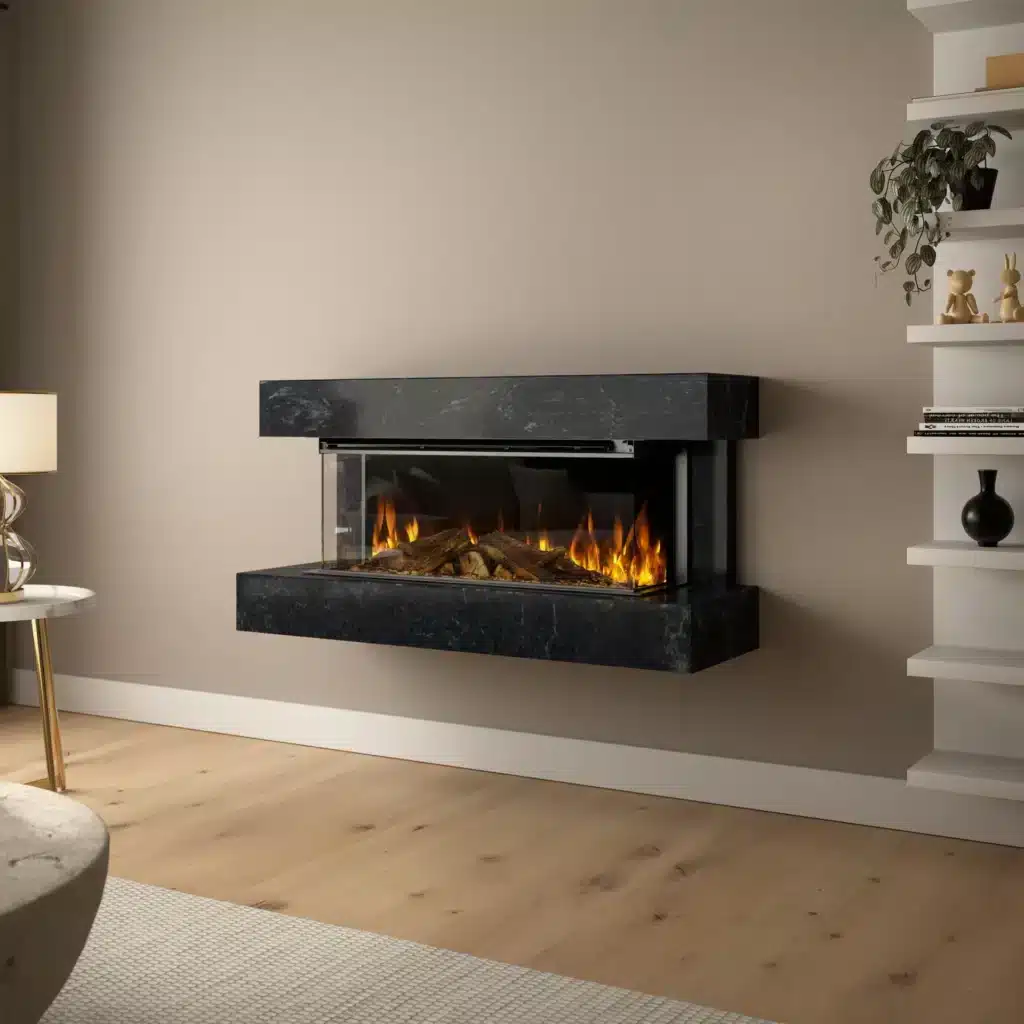
Gas log fireplaces bridge the gap between visual character and mechanical convenience. They deliver the ambient glow of a traditional fire without the physical labour of stacking timber or clearing out cold ash. You control the temperature and flame height via a remote control or a wall switch, providing immediate heat.
Living with a gas fireplace requires zero daily effort, but the installation phase demands strict technical adherence. Gas appliances require connection to mains gas or external LPG bottles and must be fitted by a licensed gas plumber to ensure compliance with Western Australian safety standards. Unlike wood heaters, gas units cannot be easily relocated once installed due to fixed gas lines and specialised ventilation paths.
If you’re renovating a property in established suburbs like Dudley Park or building a clean alcove configuration with a television mounted safely above the recess, gas provides a streamlined luxury finish. It eliminates domestic mess while delivering high radiant heat at the touch of a button.
Set-and-forget comfort for all seasons
If your priority is complete climate control with minimal physical interaction, a reverse cycle air con system is the most practical solution for the modern household. Instead of managing a single seasonal appliance, you invest in an asset that cools your home in January and heats it efficiently in July.
From a lifestyle perspective, reverse cycle systems are entirely set-and-forget. Ducted systems let you split your home into different heating zones using smart controllers. This means you can heat the main living and dining spaces during the day and switch the airflow to bedrooms at night, preventing you from wasting energy on empty rooms.
Keeping your air conditioner running smoothly takes very little effort. The primary task is checking and washing the return air filter media every three months to keep the airflow completely unrestricted. Neglecting your filters forces the compressor to work twice as hard, which spikes your Western Power bill and shortens the operational lifespan of the hardware. For busy families or investment properties where ongoing physical upkeep is not feasible, the dual-season utility of reverse cycle technology provides an efficient baseline.
Matching your heating choice to your architectural space
Your property structure can sometimes make the heating decision for you. Local architects and construction managers must factor in structural boundaries early in the design phase. A heavy freestanding wood fire requires a non-combustible floor hearth and specific clearance boundaries from walls and furniture. Raked ceilings require specialised extended flue drop boxes, while multi-storey homes require clear vertical pathways for flues or ductwork to exit through the roof line safely.
If you want to experience these heating methods in real-world conditions, we welcome you to visit our interactive showroom. It allows you to feel the direct radiant warmth of live units, observe noise levels, and compare system footprints in person before finalising your plans.
Whether you’re ready to secure an installation date or simply need help translating your floor plan into a comfortable layout, submit an online enquiry to speak directly with our Mandurah design team. We’ll ensure your system fits your home layout and your daily routine perfectly.